Documentary Filmmaker
Every story matters!
I make documentaries. I film people who agree to let me into their everyday lives, and I try to tell what they are going through together with them, without speaking for them.
Intimate storytelling
I'm a director. I trained at the École nationale supérieure d'audiovisuel (ENSAV) in Toulouse, and I've been filming people for about ten years. What interests me is people, at a scale where you can really look at them: one person, a couple, a village, a team of volunteers. What they live through often says something bigger than themselves, but it isn't up to me to say it for them.
I call it intimate storytelling, for lack of a better word. Filming a question that concerns all of us (exile, pregnancy loss, the end of a farming world) while staying at eye level with the people who live it. I try not to comment and not to prove anything. People speak in the first person, and the camera stays long enough for them to have the time to say everything they have to say.
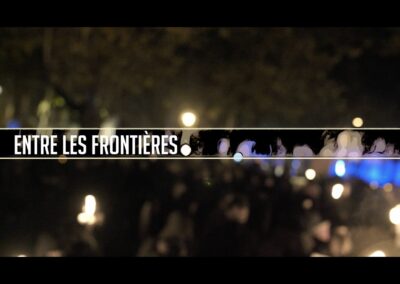
It takes time, and it takes trust. My films are shot over months, sometimes years: three years with Aline and David for Nos petites bulles ("Our Little Bubbles"), nearly a year on the ground in Calais and Grande-Synthe for Entre les frontières ("Between the Borders"). What matters never happens on the first day, and I don't know any other way of working than being there.
I hold the camera on all my films and, depending on the project, I also do the sound, the editing and the colour grading. At first it was a question of money. It has become a way of working: when you've spent months with someone, you have a slightly better idea, in the edit, of what to keep and what to leave unsaid.
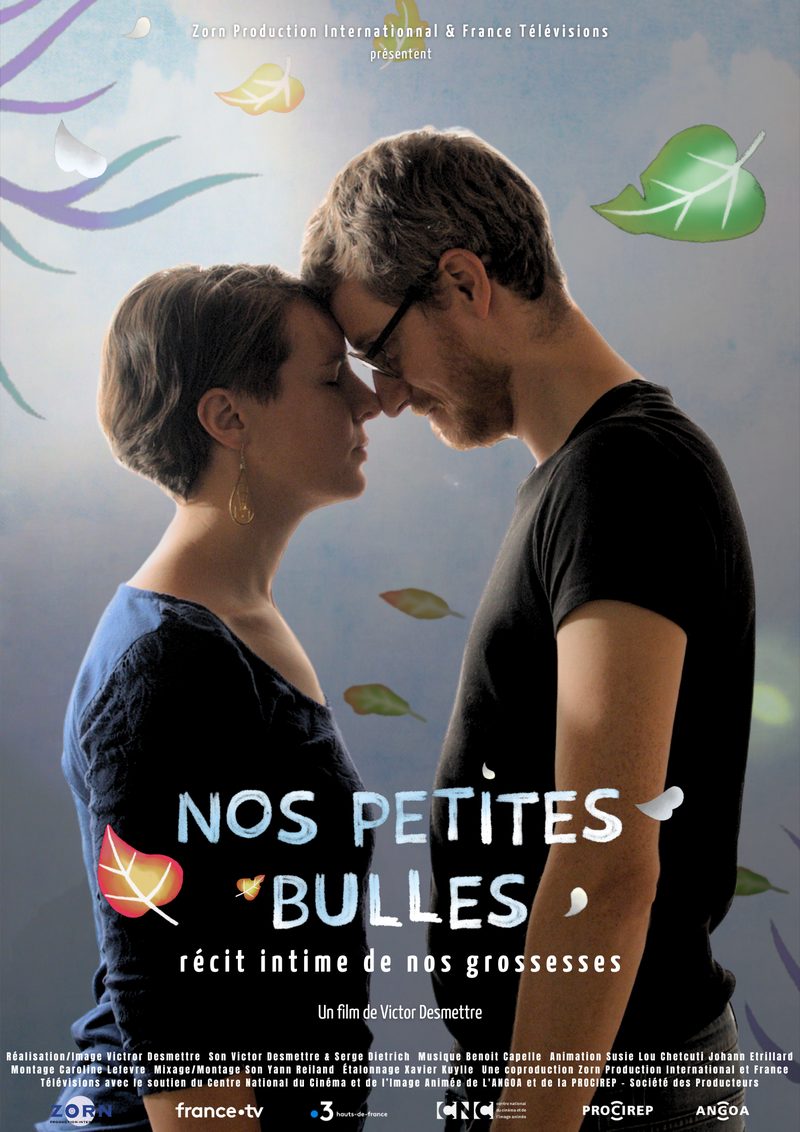
Nos petites bulles
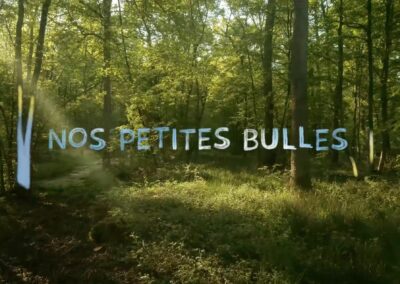
I've known Aline since we were twelve. One summer, on a walk in the woods, she talks to me at length about what she's going through: five pregnancy losses in three years. She and David, her partner, refuse to let these five losses be the end of their wish to have a child.
For three years, I followed them with my camera, as closely as I could. The medical appointments, the silences, the woods where they walk Maurice, their dog, then an unexpected pregnancy and the anxiety that comes back with it. Just the three of us, behind closed doors. Talking about miscarriage means talking about something intimate, about what didn't "exist" in other people's eyes. To make that visible without causing hurt, the film opens up to animated sequences: Aline's "bubbles", the word she found to speak poetically about the pregnancies she lost.
Our Little Bubbles is a 52-minute film produced by Zorn Production International in co-production with France Télévisions, with support from the CNC, Procirep and Angoa. It had its preview screening in Saint-Amand-les-Eaux, where it was filmed, then aired on France 3 Hauts-de-France on 13 March 2025 and was available for a month on france.tv. La Voix du Nord, L'Observateur, the France 3 news and ICI Nord covered it, and La Maison des Maternelles shared it: the clips posted on social media were viewed more than one and a half million times. Today it is being shared with organisations that support people through pregnancy loss. That's what I hoped for this film: that it would be useful to people, and not just be watched.
This film only exists because Aline and David agreed to let me film what usually goes unspoken. I'm grateful to them, and I've tried to live up to that trust.
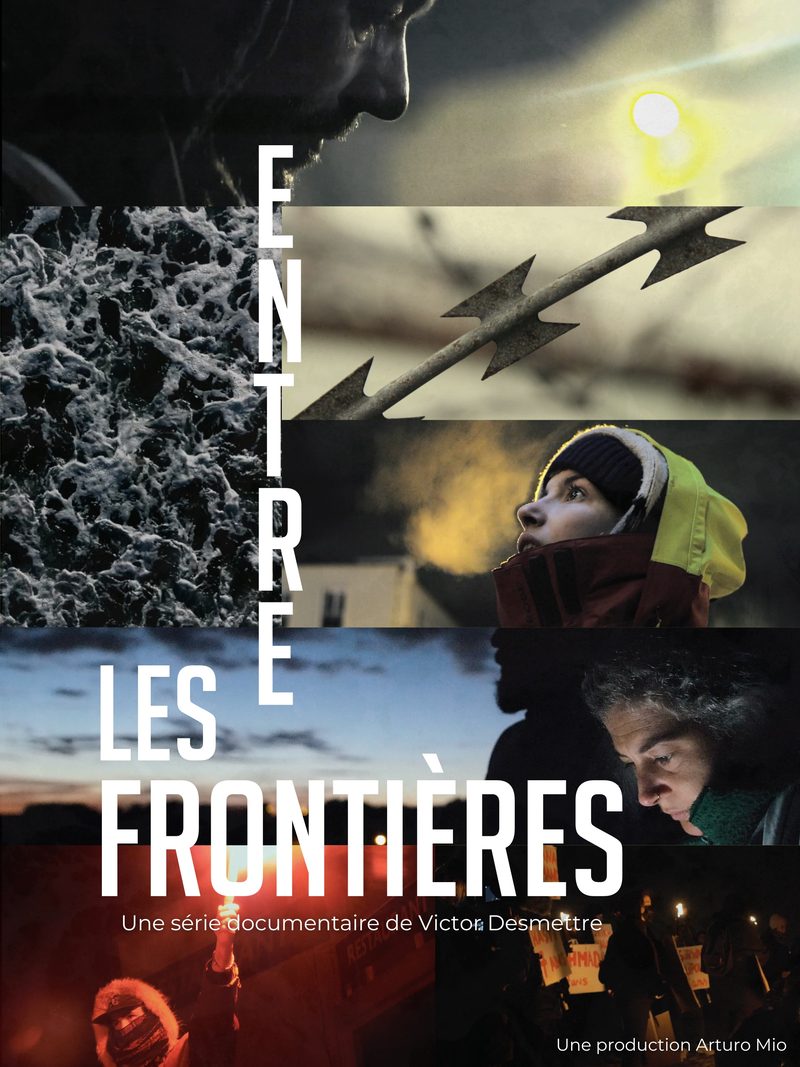
Entre les frontières
Between Calais and Grande-Synthe, Utopia 56 volunteers walk the coastline at night, looking for people in exile who are trying to reach the English coast. From night patrols to emergency calls and memorial gatherings, they take us into their daily lives and their reality: one of mutual aid. On 14 December 2022, a distress call from the sea turns that daily life upside down once again.
I first went to a camp in Grande-Synthe in 2017, a bit on a whim, with a rucksack on my back. All I knew was that help was needed. That's where it all began. When I decided to go back with a camera, in 2022, I first had to build trust and prove my intentions: to tell what happens here fairly and accurately. From June 2022 to April 2023, one week a month, I followed the teams, even into the most fragile situations, where a film crew would have been one too many. I was on my own, with a light camera, and I took my time.
The series has four episodes, 87 minutes in all. It was made with no funding, with a certain urgency, and backed by Arturo Mio. I wrote it and did the camera, sound, editing and colour grading, which makes me something of the project's Swiss army knife. It was selected for the Festival international Jean Rouch, screened at the Rencontres Images de migrations in June 2024, and it is listed on film-documentaire.fr.
Then came the road. A few months after finishing the edit, I set off in my old converted van to show the film all over France: in cinemas, community-run bars, squats, neighbourhood cafés. From Brittany to Marseille, from Briançon to Boulogne-sur-Mer, we watch the film, then we talk. The reactions surprised me: every time, the situation is worse than people imagined, even on the coast, where it is happening right before their eyes.
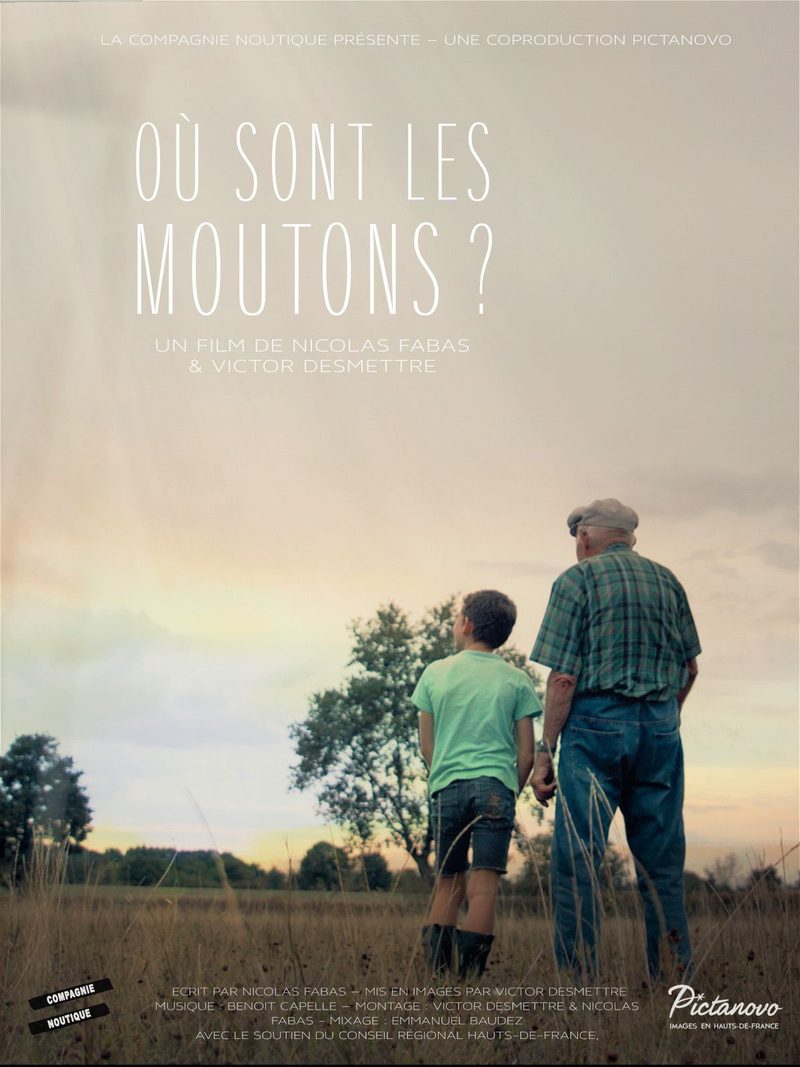
Où sont les moutons ?
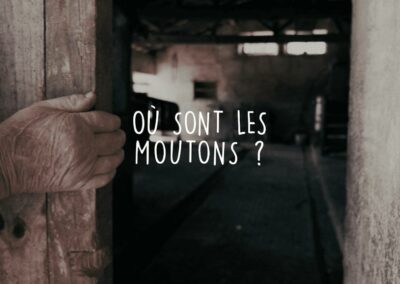
Luché-Thouarsais, in the Deux-Sèvres, population 45. At 87, Gérard is the last person in the village still raising sheep, and he can feel that it will have to stop. His wife Marie-Josèphe and the three sisters, who live almost next door, close ranks, look for solutions and philosophise, over coffee and cake, about the end that is coming: their own, and that of their way of life. A little further away, their grandson and his family have started raising sheep of their own.
Nicolas Fabas is one of their grandsons too. The film started at a family dinner at the end of the year, when his grandmother told him that nobody cared about old farmers like them. He wanted to retrace his family's footsteps before it was too late. We co-directed it, and I did the camera, sound and colour grading, as well as the editing with him. It was the first film for both of us.
Où sont les moutons ? ("Where Are the Sheep?") runs just under an hour. It was produced by La Compagnie Noutique in Béthune, in co-production with Pictanovo, with support from the Hauts-de-France Region, the Pas-de-Calais Department and the Béthune-Bruay urban area. Music by Benoit Capelle. It came out in 2022 and is available on DVD from L'Harmattan.
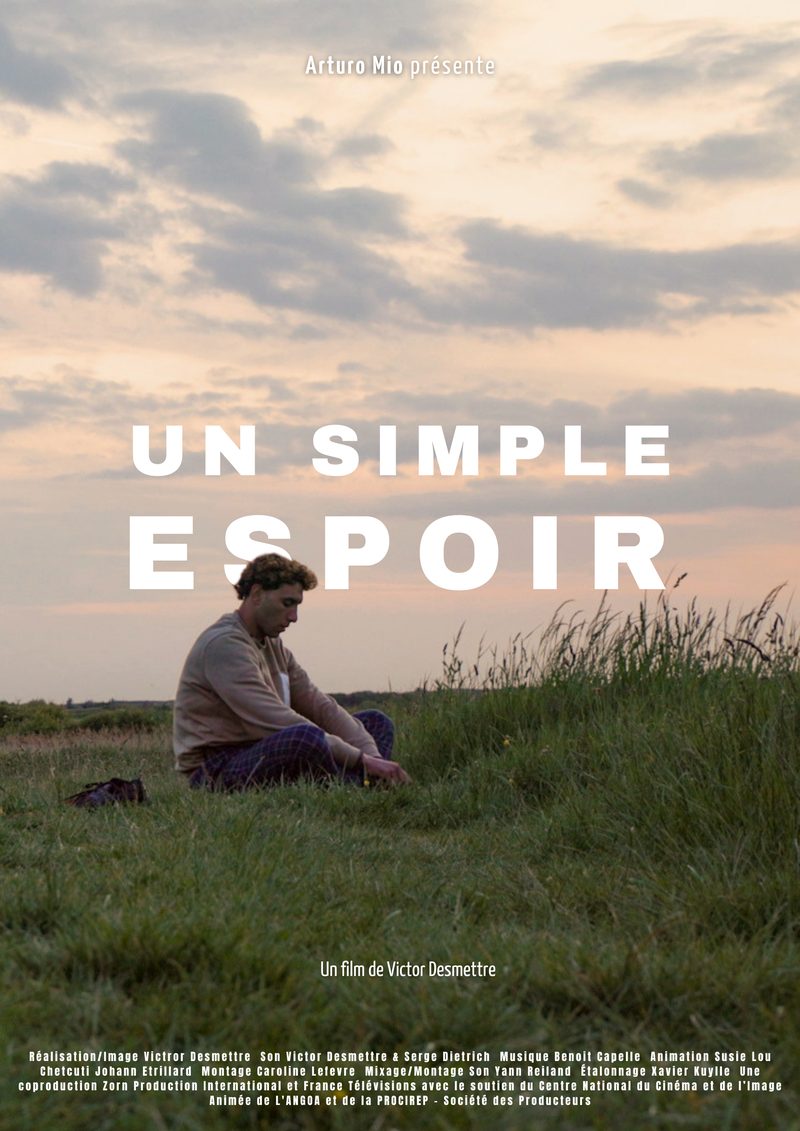
Un simple espoir
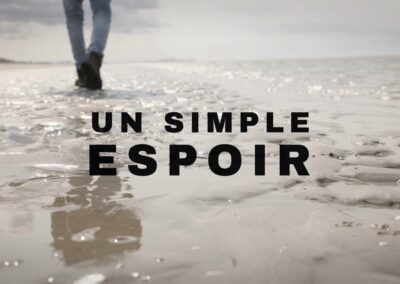
Un simple espoir ("A Simple Hope") is the working title of the film I've been shooting for more than a year on the border between France and the UK, following on from Between the Borders.
It grew out of an encounter in Calais, one December. A father confronts me when he sees my camera, then calls over his nine-year-old son, who lifts his jumper and shows me his stomach, burnt by fuel during their last crossing. There were more than sixty of them on the boat. The father tells me about people who went missing that night; ten days earlier, the press had counted three dead. At the end, he looks at me and says: "And nobody talks about this."
This film tries to tell the story of the people who don't get counted. Those lost at sea, whose numbers depend on who is doing the counting, and those who stay on the coast without their story ever being told. It is being filmed alongside the people involved: volunteers and citizens' groups, sea rescuers, fishermen who pull bodies up in their nets, and survivors, when they agree to speak.
I want to show the Opal Coast (Côte d'Opale) in all its strange beauty, a picture-postcard setting through which so many crossings play out. At sea and on land, the camera slips into the hollows of the waves to tell, from the inside and with empathy, without looking down on anyone and without judgement, a reality that fades from our view the more it repeats itself.
A way of working
I work the same way whatever the film, whether it's backed by a national TV channel or made without a penny: I arrive early, I stay a long time, and I make sure the people I film recognise themselves in the finished film. That's the only thing I can guarantee. The rest, the trust and what ends up on screen, is built with them, and takes as long as it takes.
I'm based in Lille. I film in Hauts-de-France, Paris, Brittany and anywhere in France, and further afield when the film calls for it.